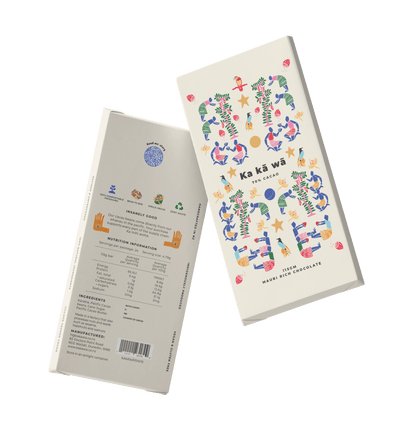
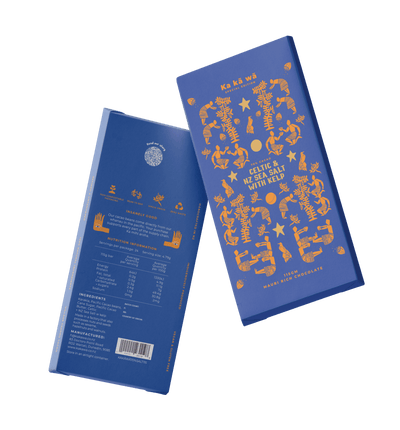
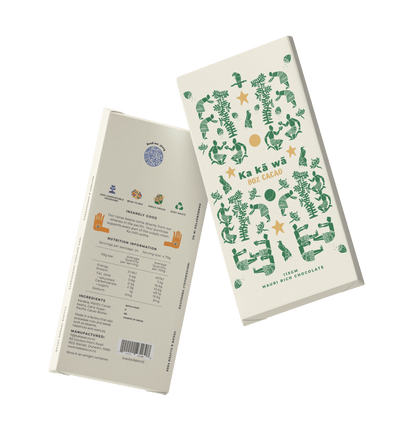
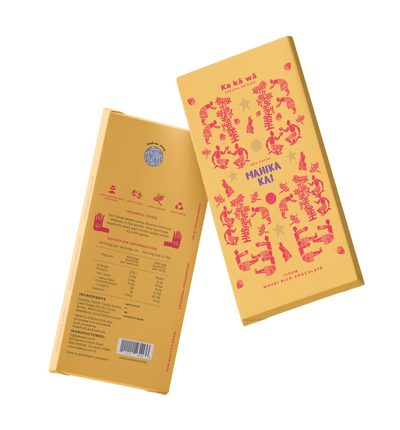
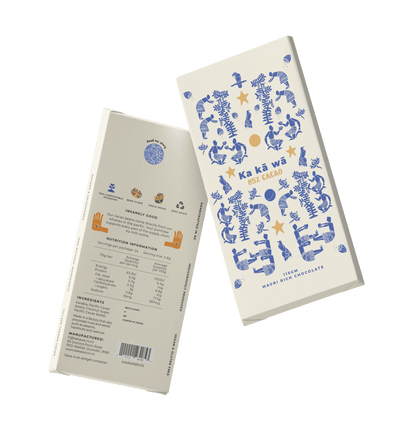
Bean-to-bar means one maker controls every step from raw cacao bean to finished bar: sorting, roasting, cracking, winnowing, grinding, conching, tempering, and moulding. Ka kā wā does this in small batches, which is why the flavour of each origin survives all the way to the 115g bar. Here is what actually happens between the pod and your hand.
What bean-to-bar means, and what it does not?
Plenty of chocolate is made from someone else's chocolate: bought in as ready-made blocks, melted, remoulded, and rebranded. That is a fine trade, but it is not bean-to-bar. Bean-to-bar means starting with the raw fermented and dried beans and taking them all the way to a finished bar under one roof. Every decision that shapes flavour is yours to make, and yours to get right.
The steps, plainly
Sort. Raw beans are checked by hand and the flat, broken, or damaged ones pulled out. Dull work, but it sets the ceiling on quality.
Roast. Beans are roasted to develop flavour and tame sharpness. Roast light and the origin stays bright and fruity. Roast dark and it turns deep and toasty. This is one of the biggest levers a maker has.
Crack and winnow. The roasted beans are cracked and the papery husk blown away, leaving the nibs: the pure cacao that becomes chocolate.
Grind. The nibs are ground for hours until they turn from grit to liquid, releasing the cacao butter locked inside.
Conch. The chocolate is worked and aerated over time to smooth its texture and round off harsh notes. Less conching keeps it rustic. More makes it silky.
Temper. The chocolate is heated and cooled to precise temperatures so the cacao butter sets in a stable crystal. Temper it right and you get gloss, a clean snap, and a bar that melts on the tongue instead of the fingers. At present all our bars are untempered.
Mould. Finally it is poured, settled, and set into the 115g bar.
Why small-batch and single-origin belong together?
Small batches make single-origin possible. You cannot buy a valley's worth of one harvest and treat it like a commodity. You work it in small runs, tasting as you go, adjusting the roast to suit the beans in front of you. Scale wants sameness. Craft wants attention. The two pull in opposite directions, and we have picked a side.
What you can taste as a result?
Control over every step is the whole reason bean-to-bar tastes the way it does. The fruit of a Pacific origin, the length of a good finish, the clean snap of a properly tempered bar: none of that survives a shortcut. When you taste it in a Ka kā wā bar, you are tasting a chain of small, deliberate decisions, held from the pod to the 115g.
Frequently Asked Questions
What is bean-to-bar chocolate?
Chocolate where one maker controls every step from raw bean to finished bar, rather than melting and remoulding chocolate made by someone else.
How is bean-to-bar different from normal chocolate?
Most commercial chocolate is made at industrial scale from blended, bought-in ingredients. Bean-to-bar is small-batch, hands-on, and traceable to a single origin.
What is conching?
The stage where chocolate is worked and aerated over time to smooth its texture and mellow harsh flavours. How long it is conched shapes the final feel of the bar.
Why does bean-to-bar chocolate cost more?
More hands-on time, smaller batches, better cacao, and no shortcuts. You are paying for a bar made properly from the bean up.